Why Smaller Sized Senior Care Homes Master Memory and Dementia Care
Business Name: BeeHive Homes of Great Falls
Address: 2320 15th Ave S, Great Falls, MT 59405
Phone: (406) 205-4516
BeeHive Homes of Great Falls
At BeeHive Homes of Great Falls in Great Falls, MT, we offer assisted living, respite care, and memory care for people with dementia. Our residents enjoy living in a cozy place with knowledgeable and caring staff. We aim to meet each person's changing care needs and keep residents as independent as possible. We also plan events and senior living activities based on their interests and skills. Contact us immediately to learn more about how we can help your senior today!
2320 15th Ave S, Great Falls, MT 59405
Business Hours
Families usually start looking at senior care alternatives after a crisis: a fall, wandering during the night, a fire on the range, or a neighbor calling due to the fact that Mom is on the deck at 3 a.m. In winter. They look for assisted living, memory care, respite care, anything that seems like help. What they often discover are big, hotel-like buildings with impressive lobbies, long hallways, and activity calendars that appear senior living BeeHive Homes of Great Falls like summer season camp.
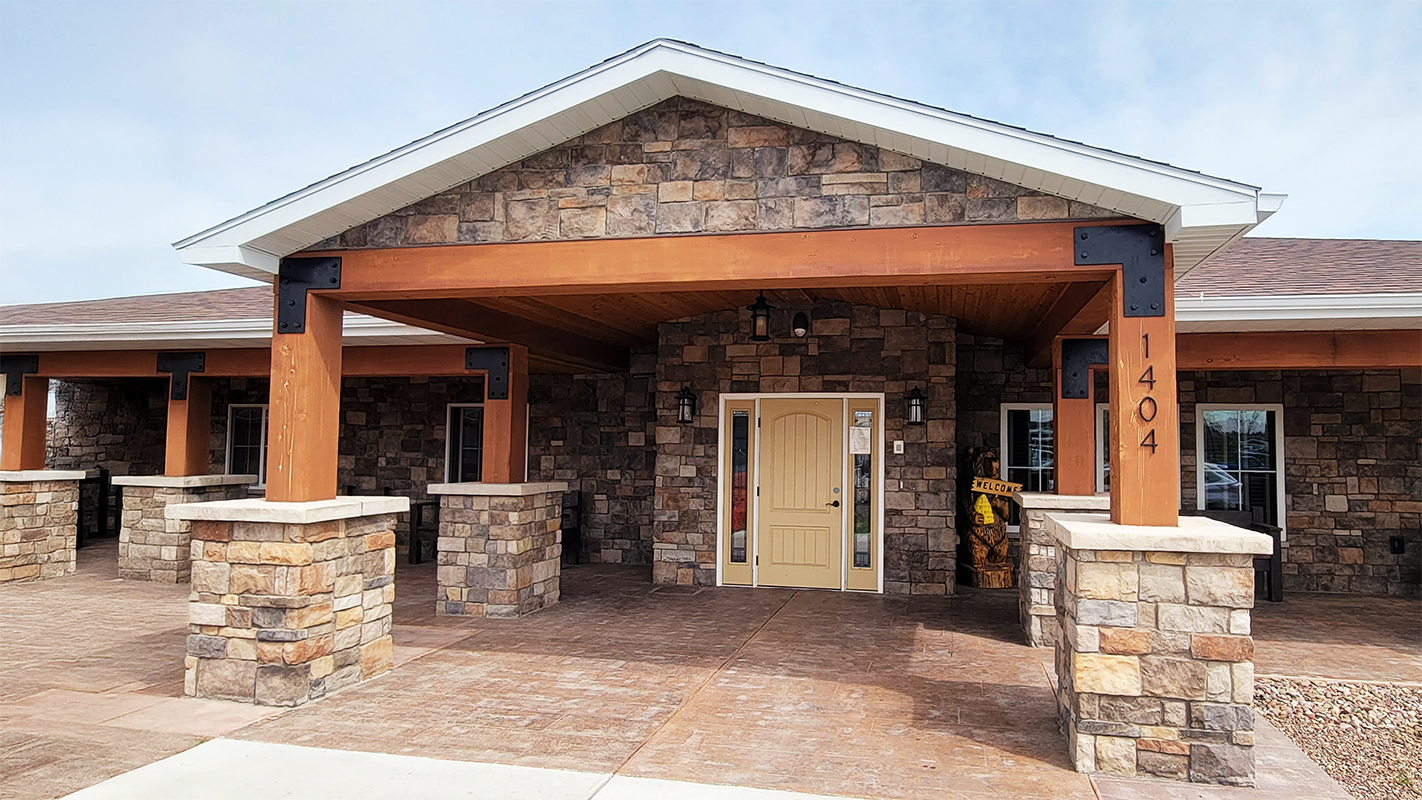
Then, nearly as an afterthought, someone mentions a small 6 to 10 bed home in an area close by. No chandelier. No marble reception desk. Just a routine house with a ramp and a doorbell, described as a "residential care home" or "board and care."
After twenty years dealing with families and personnel in both big neighborhoods and small homes, I have seen the very same pattern repeat. For individuals living with dementia, the smaller setting frequently supports much better daily life, fewer crises, and calmer households. It is not magic, and it is not perfect. However the scale of the setting shapes everything from habits to nutrition.
This is not about offering one design over another. There are exceptional large neighborhoods and bad little homes, and vice versa. Rather, it is about understanding why small senior care homes, when they are well run, are particularly fit to memory and dementia care.
Why size matters more for dementia than for other seniors
Older grownups who are still psychologically sharp can typically adapt to a large assisted living neighborhood. They might delight in the hectic lobby, the range of activities, and the restaurant-style dining room. Individuals dealing with dementia experience those same features really differently.
Dementia strips away cognitive reserve and strength. Excessive stimulation is not simply tiring, it can trigger agitation, confusion, or withdrawal. A sprawling building ends up being a labyrinth. Several staff teams, turning schedules, and consistent brand-new faces can feel like living in a hotel where the personnel changes every couple of days.
A smaller senior care home naturally lowers that cognitive load. Locals see the same handful of individuals every day, both personnel and next-door neighbors. They move within familiar, repeatable paths: bedroom to kitchen, kitchen area to living space, living room to garden. Their world diminishes, however in a way that feels workable, not institutional.
When households tell me, "Mom is so much calmer given that she transferred to the small home," the modification generally shows 3 factors that are difficult to reproduce in a huge structure:
- Fewer individuals and less noise.
- Shorter ranges and easier layouts.
- More constant staff who know each resident deeply.
Those may sound like small details. In dementia care, they are the environment.
The sensory experience of a smaller home
You discover a lot about a memory care setting with your eyes closed. Households exploring a location typically gaze at the lobby, the furnishings, or the schedule on the wall. I focus on sound, odor, and rhythm.
In a smaller home, the sensory environment tends to be closer to regular life. You hear somebody slicing vegetables, a cleaning machine running, a radio with soft music, maybe a television in the background. You smell coffee, soup, or toast. Hallways are brief or nonexistent. The dining location is a table that seats everybody.
For a resident with dementia, this aligns with decades of routine. Home has always seemed like someone in the kitchen. Mealtime has actually always been around a table, not at a four-top in a room that seats 50 individuals with clattering dishes and yelled discussions. The brain does not need to re-learn how to analyze that environment. It already understands it.
Large memory care systems attempt to soften the institutional feel, and lots of do a great job. But the sheer scale works against them. Thirty homeowners indicate thirty sets of visitors, thirty tvs, thirty restroom doors opening and closing. Even with excellent design, there is an underlying level of stimulation that never ever totally disappears.
People with dementia are highly conscious this background sound. I when worked with a gentleman who ended up being increasingly aggressive at 4 p.m. Every day in a 40-bed memory care system. Personnel assumed it was "sundowning." When we sat with him in the common area and just listened, we observed a pattern. At that time, staff from the next shift gathered at the nurses' station, households showed up to visit, and dinner preparations began. The space went from moderate to chaotic in about 10 minutes. We trialed moving him to a quieter corner and moving his routine somewhat so he was in his room during that shift. His "sundowning" nearly disappeared.
In a small home, those ecological spikes are less dramatic. Life still has busy moments, but the scale softens the edges. For memory and dementia care, that matters immensely.
Relationships, not rotations
Staffing structure is where small homes frequently shine the most. In big assisted living and memory care structures, personnel operate in shifts, typically designated to dozens of residents per team. Overnight, that ratio in some cases becomes one caregiver for fifteen to twenty citizens, or more. With turnover, company personnel, and schedule changes, a single resident may see lots of different caregivers in a month.
In a 6 to twelve resident home, the photo modifications. Staff still work shifts, however the number of people involved is much smaller. A resident might engage routinely with six to 8 caregivers in total, often including the manager or owner. Over time, that group builds an extremely comprehensive understanding of how everyone consumes, moves, sleeps, and reacts.
Continuity is not just about psychological convenience, though that matters. It has genuine scientific effect. Early modifications in dementia symptoms are subtle. Cravings dips for a number of days. An usually talkative resident grows quiet. Someone who has actually constantly strolled unassisted starts keeping furniture. Personnel who genuinely know each resident catch these shifts quicker than anyone.
I keep in mind a small home where a caretaker pulled me aside and said, "Mrs. K has actually been folding towels for several years. She constantly completes the stack. The other day she left half and wandered away two times. Something is off." That prompted a medical assessment. We found a urinary system infection early, before it escalated into delirium, falls, or a hospitalization. In a larger setting, where personnel serve a lot more citizens and tasks are tightly set up, that type of pattern acknowledgment is much harder.
It also impacts how responsive the setting can be to emotional requirements. A resident who wakes fearful during the night might require ten minutes of peace of mind and a cup of tea. In a small home with 4 locals and a single caregiver, that discussion is sensible. In a memory care unit where the overnight caregiver is accountable for twenty homeowners and three are currently calling out, it is often impossible, no matter how dedicated the staff.
Everyday life feels more like life, not a program
Many big senior care communities put considerable effort into activity shows. There are calendars, style days, performers, and group classes. Some citizens delight in these, and households like to see a complete schedule posted. The difficulty is that dementia frequently lowers an individual's ability to initiate, strategy, and sustain attention. Being accompanied to a structured event in a room down the hall can seem like being processed through a program rather than living a day.
Smaller homes usually have simpler calendars and rely more on the rhythms of household life. Folding laundry, snapping beans, setting the table, or watering plants end up being "activities." They are smaller sized jobs, but they align with how life has always worked. The person with dementia is not a passive recipient of home entertainment. They are a participant in the household.
This sort of engagement taps into procedural memory, which is often maintained longer than short-term memory. A female who can not remember what she had for breakfast may still remember, with her hands, how to wipe a table or sort socks. Giving her that function is not busywork. It supports self-respect and identity.
I have actually seen males who spent their entire careers in trades completely withdraw in a large assisted living building, then end up being animated again in a small home when given safe, supervised "jobs" like examining the fence gate, bring light parcels in from the front door, or helping arrange chairs before lunch. The setting made those functions possible because whatever was better, easier, and less constrained by institutional rules.
Safety, wandering, and exits
Families picking dementia care typically focus heavily on safety. They picture locked doors, call bells, alarms, and video cameras. Those functions do matter, particularly when someone is at threat of roaming into traffic or leaving the structure unsupervised.
Large memory care units typically respond with layers of security: coded doors, fenced yards, and often multiple internal doors in between a resident's room and the exterior. This can decrease danger, however it likewise increases the feeling of being trapped. For some homeowners, that sets off more agitation and more attempts to leave.
Smaller residential homes often utilize a various balance. The structure itself is compact, so personnel can see or hear almost whatever. Doors may still have alarms or keypads, however there are fewer places to hide, fewer blind corners, and frequently a single primary exit. Personnel are not half a building away when someone tries to open a door.
The physical layout also permits safer "wander paths." A resident can stroll from living space to cooking area to patio area and back in a simple loop, supervised by a caretaker who is also making lunch or cleaning. That sort of movement is healthy and reassuring. Constantly rerouting an individual to "take a seat and remain here" since the environment can not securely accommodate strolling usually escalates behaviors.
Of course, not every small home is well created. I have actually seen narrow corridors with clutter, steep actions, and back doors that cause unfenced yards. Regulation differs by state or province, and not all homes fulfill the same requirements. Families require to visit and observe design and safety measures, not presume that small automatically suggests safe. But when done well, the small footprint provides both security and flexibility of motion in methods large structures struggle to match.
Medical care, crises, and greater acuity
There is a reasonable concern households raise about little homes: what takes place when care requires boost? Large assisted living or memory care communities typically have on-site nurses, visiting doctors, and treatment services. They might advertise "aging in location" with the ability to handle injections, feeding tubes, or two-person transfers.
Smaller homes vary commonly. Some focus primarily on lower to moderate requirements. Others are accredited and staffed to handle complex dementia care and even hospice-level assistance. I have worked with six-bed homes that successfully supported citizens through the last months of life without hospitalization, using hospice groups and strong caretaker training.
The secret is to look beyond the label. "Assisted living" and "memory care" are marketing terms as much as legal classifications, and the specific assisted living license or residential care license in your area identifies what is permitted. Families need to ask blunt questions:
What is the optimum level of care you can provide?
Can you manage transfers for somebody who can not stand?Do you have nurses on staff or on call? How typically do residents go to the hospital, and who decides?
Smaller homes rarely have physicians on website, but numerous develop close relationships with regional medical groups, nurse practitioners, or home health companies. Those partnerships can be active. I have actually seen a nurse practitioner make a same-day visit to a little home to examine an unexpected behavior change, something that would have required an ER trip in another setting.
At the exact same time, there are limits. If somebody needs continuous tracking devices, regular IV medications, or highly technical care, a small residential setting may not be suitable. The strength of little homes is relational, environmental assistance, and consistent observation, not state-of-the-art interventions.
Where smaller sized homes shine, and where bigger communities still help
It helps to be candid about the compromises. There is no ideal model, just much better or even worse matches for a particular person at a specific point in their dementia journey.
Here are circumstances where, in my experience, a little senior care home is specifically efficient:
- Middle-stage dementia with substantial amnesia, confusion, or roaming risk, but without extremely complex medical needs.
- Individuals who become easily overwhelmed, nervous, or agitated in loud or congested environments.
- People whose sense of identity is closely connected to home routines, such as cooking, gardening, or "helping out."
- Families who value regular, direct communication with caretakers and wish to know who is with their loved one day to day.
- Residents who have actually already had a hard time in a large assisted living or memory care setting due to behavioral obstacles or duplicated falls in long hallways.
Larger assisted living or memory care communities, on the other hand, can be a better fit when somebody is still socially oriented, delights in range, and can navigate bigger spaces with very little distress. They may also be preferable when a resident has numerous intricate medical conditions that require on-site scientific oversight, or when a household expects a requirement to shift in between independent living, assisted living, and experienced nursing within one campus.
Cost can also push choices. In some areas, small homes are more budget-friendly than big communities. In others, store residential homes charge a premium. Each design has its staffing and overhead structures, and prices shows that.
What to try to find when exploring a small memory care home
Families typically feel unprepared when they step into a small senior care home for the very first time. It does not look like the pamphlets for assisted living. To keep visits grounded, a simple list helps.
When you tour, pay particular attention to:
- Atmosphere: Do homeowners look relaxed, tidy, and took part in something, even if it is basic? How does the home feel in your gut after ten minutes?
- Staff interaction: Do personnel talk to locals respectfully, at eye level, using names? Listen for tone as much as words.
- Cleanliness and safety: Is the home tidy without giving off harsh chemicals or urine? Are floors clear, bathrooms accessible, and exits secured yet not prison-like?
- Daily life: Ask how a normal day unfolds, from waking to bedtime. Does it sound flexible, or stiff and staff-centered?
- Communication: How will the home keep you upgraded? Who calls you with changes, and how often?
Use your own senses more than pamphlets or sites. A location that fits your loved one's character and history is more crucial than the newest furnishings or the most polished marketing.
Respite care: evaluating the fit without a long-lasting commitment
Short-term respite care can be a powerful method to test a smaller home without totally moving your loved one. Many residential homes offer respite care slots for one to 4 weeks when space allows. Families frequently utilize these during caretaker holidays or medical procedures, however they are similarly helpful as trial runs.
I have seen households utilize a two-week respite remain in a little home for a parent who was decreasing at home but refused the idea of "going to a facility." Framing it as "sticking with some individuals who can help while you get more powerful" lowered resistance. When the parent settled surprisingly well, the discussion about a fuller shift became simpler and more sincere. The family was not thinking about fit. They had evidence.
From a personnel viewpoint, respite stays let the team learn an individual's routines, sets off, and strengths before a crisis requires an urgent admission. That knowledge pays off if the individual returns long term, specifically when dementia is involved. Little homes usually remember their respite guests; the familiarity cuts both ways.
Not every little home deals respite care, since holding a bed empty has monetary effects. When you call, inquire about minimum and maximum remain lengths, everyday rates, and what is consisted of. For many households, the cost of a short stay is small compared to the insight it provides.
Matching personality and history to setting
One of the most significant errors I see is selecting a senior care setting based on features rather than positioning with the individual's personality and life story. A retired teacher who invested 35 years in busy classrooms may enjoy a busier environment longer than a quiet introvert who gardened and checked out for years. A former nurse might feel more secure understanding there is a nurse's station down the hall. Somebody who resided in small towns and close-knit communities might feel swallowed by a multi-story building.
Smaller homes frequently resonate with individuals who:
- Equate "home" with a kitchen table, a familiar sofa, and neighbors who see when something is off.
- Prefer a handful of strong relationships over constant brand-new faces.
- Have mobility issues that make long corridors or big dining-room exhausting.
At the exact same time, some individuals feel caught or tired in a little setting, especially early in a dementia diagnosis when they still acknowledge the reduction in options. For them, a larger assisted living or memory care neighborhood, potentially with strong wayfinding supports and peaceful zones, might be much better for a time, with the choice to shift later.
The match is not fixed. Dementia is a moving target. The "ideal" setting at the mild cognitive disability phase may be wrong at mid-stage, and the very best end-of-life environment might be yet another shift. Families who accept that there may be more than one move over several years feel less guilt and more clearness when a change becomes necessary.
Working with staff as partners, not simply providers
Regardless of setting size, the quality of dementia care depends upon relationships between households and staff. Little homes tend to make those relationships visible since the scale is human. You see the same faces, share the same cooking area, and have a direct line to the people doing the work.
When households deal with staff as partners, not simply company, results improve. That does not indicate overlooking problems. It means sharing history, preferences, and fears honestly, and listening seriously when caregivers share observations. The caregiver who notifications that Dad consumes better with finger foods, or that Mom is calmer if she folds towels after lunch, might not have actually advanced degrees. They do have actually hours of lived observation that can direct much better care.
I frequently motivate households to visit at different times, including late afternoon and early evening, not just mid-morning when every location looks its finest. In a small home, you can see how one caregiver handles supper, medications, and redirecting a resident who is figured out to "go capture the bus." Viewing that dance tells you even more about the quality of dementia care than any brochure.
Final thoughts: small scale, huge impact
Dementia care sits at the crossway of medical need and human habitat. People do not stop being who they are when memory fades. They still respond to space, sound, light, routine, and relationship. The size and structure of a care setting amplify or soften those components every hour of the day.
Small senior care homes are not a universal response. They differ tremendously in quality, staffing, and philosophy. But when they are well run, their modest scale lines up naturally with the needs of individuals living with dementia: less faces to remember, shorter paths to navigate, familiar family activities, and personnel who understand each resident as an individual, not a space number.
Whether you are planning for long-term memory care, exploring assisted living, or setting up brief respite care, it deserves taking small homes seriously as a choice, not an afterthought. Tour them with your eyes, ears, and impulses engaged. Ask difficult questions about staffing, security, and medical support. Image your loved one moving through that area on an uneasy Tuesday afternoon, not just sitting pleasantly on admission day.
If the setting feels like a genuine home where dementia can be lived, not simply kept, you may have found the right scale for the next chapter of care.
BeeHive Homes of Great Falls provides assisted living care
BeeHive Homes of Great Falls provides memory care services
BeeHive Homes of Great Falls provides respite care services
BeeHive Homes of Great Falls supports assistance with bathing and grooming
BeeHive Homes of Great Falls offers private bedrooms with private bathrooms
BeeHive Homes of Great Falls provides medication monitoring and documentation
BeeHive Homes of Great Falls serves dietitian-approved meals
BeeHive Homes of Great Falls provides housekeeping services
BeeHive Homes of Great Falls provides laundry services
BeeHive Homes of Great Falls offers community dining and social engagement activities
BeeHive Homes of Great Falls features life enrichment activities
BeeHive Homes of Great Falls supports personal care assistance during meals and daily routines
BeeHive Homes of Great Falls promotes frequent physical and mental exercise opportunities
BeeHive Homes of Great Falls provides a home-like residential environment
BeeHive Homes of Great Falls creates customized care plans as residents’ needs change
BeeHive Homes of Great Falls assesses individual resident care needs
BeeHive Homes of Great Falls accepts private pay and long-term care insurance
BeeHive Homes of Great Falls assists qualified veterans with Aid and Attendance benefits
BeeHive Homes of Great Falls encourages meaningful resident-to-staff relationships
BeeHive Homes of Great Falls delivers compassionate, attentive senior care focused on dignity and comfort
BeeHive Homes of Great Falls has a phone number of (406) 205-4516
BeeHive Homes of Great Falls has an address of 2320 15th Ave S, Great Falls, MT 59405
BeeHive Homes of Great Falls has a website https://beehivehomes.com/locations/great-falls/
BeeHive Homes of Great Falls has Google Maps listing https://maps.app.goo.gl/1z93HCVXHyRSY9gU6
BeeHive Homes of Great Falls has Facebook page https://www.facebook.com/beehivehomesgreatfalls
BeeHive Homes of Great Falls has an Instagram page https://www.instagram.com/beehivehomesofgreatfalls
BeeHive Homes of Great Falls won Top Assisted Living Homes 2025
BeeHive Homes of Great Falls earned Best Customer Service Award 2024
BeeHive Homes of Great Falls placed 1st for Senior Living Communities 2025
People Also Ask about BeeHive Homes of Great Falls
What is BeeHive Homes of Great Falls Living monthly room rate?
The monthly cost for assisted living, memory care, or senior care in Great Falls, MT depends on the level of care needed. Each resident receives a personalized assessment, and pricing is based on that evaluation. BeeHive Homes is known for clear, transparent pricing with no hidden fees
Can residents remain at BeeHive Homes as their care needs change?
In many cases, yes. BeeHive Homes of Great Falls is designed to support residents as their needs evolve, whether that means increased assistance with daily living or transitioning to memory care within the BeeHive network. Residents may remain as long as their needs can be safely met without 24-hour skilled nursing
What types of senior care are offered at BeeHive Homes of Great Falls, MT?
BeeHive Homes of Great Falls provides a range of care options, including assisted living, memory care, respite care, and specialized traumatic brain injury (TBI) assisted living care. Care is offered across eight (8) residential-style BeeHive Homes located throughout the Great Falls community, each designed to support a specific level of care
What is Traumatic Brain Injury (TBI) assisted living care?
Traumatic Brain Injury assisted living care is designed for individuals who need daily support following a brain injury but do not require 24-hour skilled nursing. At Fireweed Home, BeeHive Homes of Great Falls provides structured routines, personalized assistance, and consistent supervision tailored to the unique needs associated with TBI
Can families tour BeeHive Homes of Great Falls?
Absolutely! Families are encouraged to schedule a tour to learn more about assisted living, memory care, and senior living in Great Falls, MT. To arrange a visit or speak with our team, please call (406) 205-4516
Where is BeeHive Homes of Great Falls located?
BeeHive Homes of Great Falls is conveniently located at 2320 15th Ave S, Great Falls, MT 59405. You can easily find directions on Google Maps or call at (406) 205-4516 Monday through Sunday Open 24 hours
How can I contact BeeHive Homes of Great Falls?
You can contact BeeHive Homes of Great Falls by phone at: (406) 205-4516, visit their website at https://beehivehomes.com/locations/great-falls, or connect on social media via Facebook or Instagram
Visiting the Black Eagle Memorial Island provides peaceful river scenery that can be enjoyed by residents in assisted living or memory care during senior care and respite care excursions.
Ends · GREGORYHVPX072